How Does a Design Studio Design Not Just a Brand's Visuals but Its Visual System?
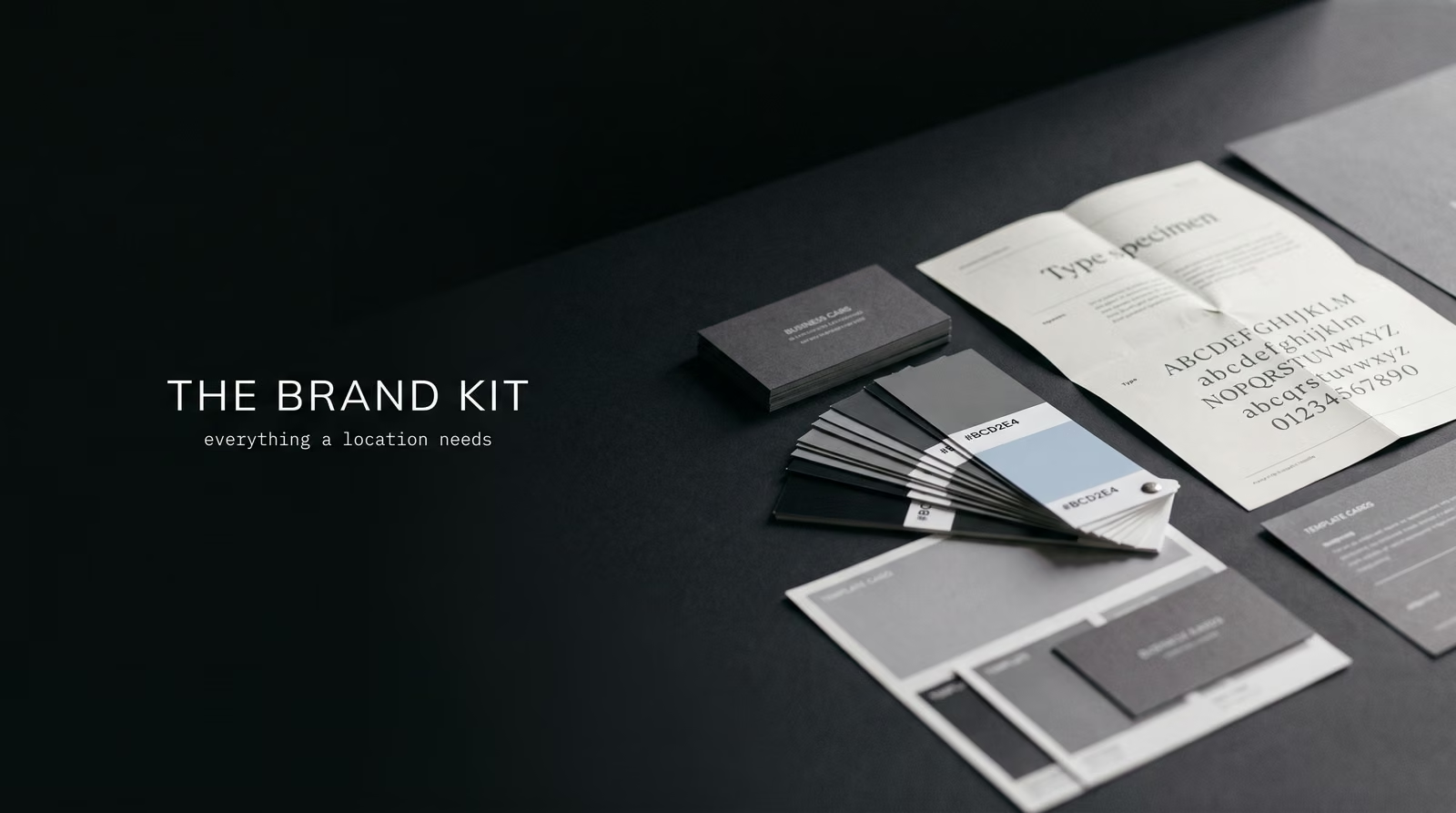
A design studio designs a brand's visual system when, instead of producing individual designs, it builds the rules that tie all of them together. Logo, web, social content and cover art are not separate jobs but parts derived from a shared color, typography and visual language. When choosing a studio, you should look not at the beauty of individual pieces but at whether those pieces form a system — and whether that system is actually enforceable.
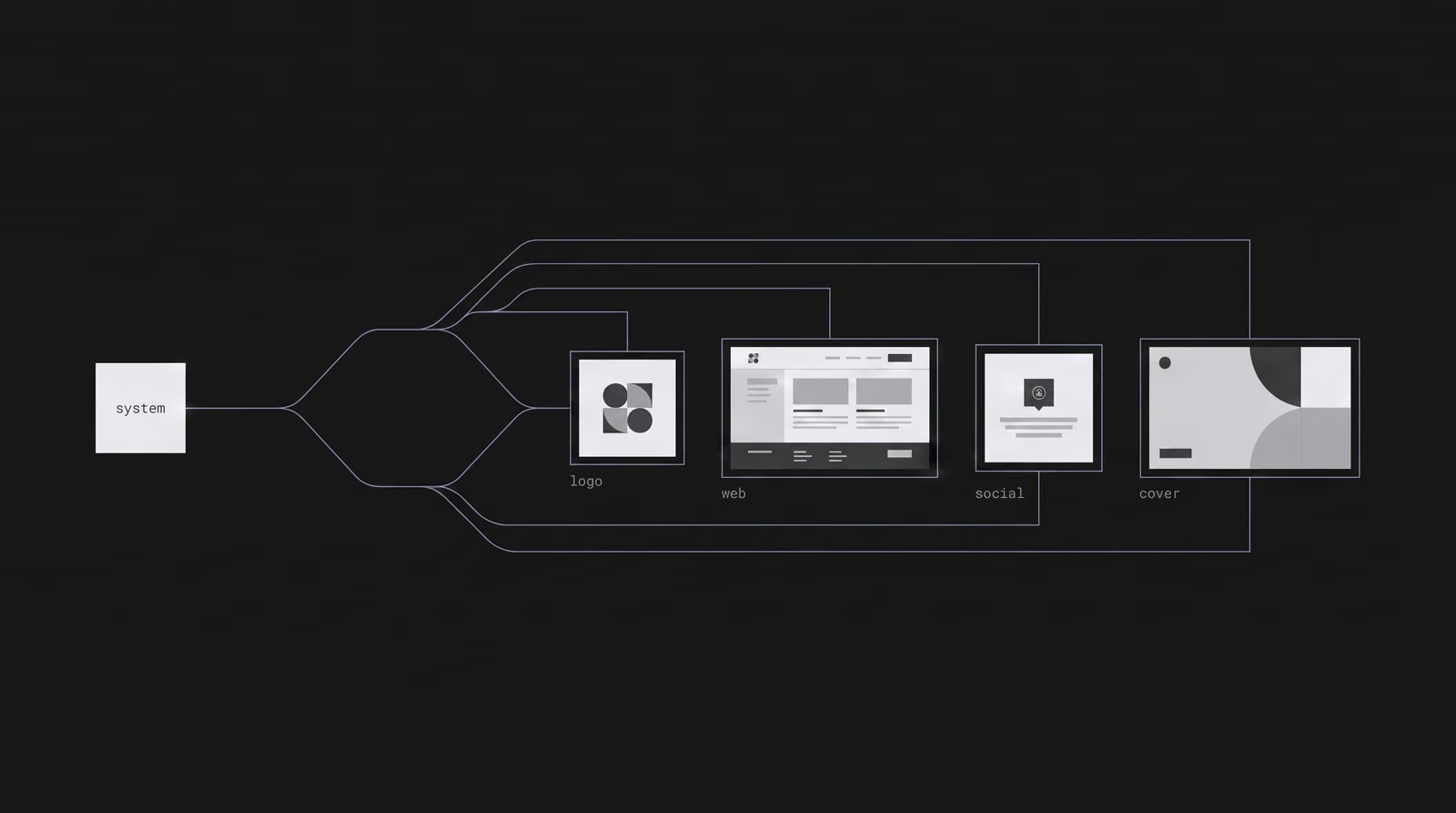
A design studio designs a brand's visual system when, instead of producing individual designs, it builds the rules that tie all of them together. Logo, web, social content and cover art are not separate jobs but parts derived from a shared color, typography and visual language. The numbers show why this distinction matters: consistent brand presentation can lift revenue by up to 33% (Lucidpress/Marq), yet while about 95% of companies have guidelines, only 25–30% enforce them consistently. So when choosing a studio, you should look not at the beauty of individual pieces but at whether those pieces form a system — and whether that system is actually enforceable.
What services should a design studio offer?
A good studio should offer a brand's mutually reinforcing visual layers together. Brand identity, web design, social content, editorial and visual automation are all parts of the same system. Bought separately from different places, the brand scatters; handled under one roof, they all speak the same language. Gartner's 2020 finding shows the cost of that scatter: 60% of marketers say inconsistent presentation lowers performance — and three different visual languages from three different vendors produce exactly that inconsistency.
What is the difference between a branding agency and a visual design studio?
The difference is focus and depth. A branding agency often focuses on strategy, positioning and broad campaign management; a visual design studio goes deep on designing and applying the brand's visual language. For a focused brand or visual project, a studio delivers a more direct and consistent result; for large multi-channel campaigns, an agency's scope stands out. The choice depends on whether your need is strategy or a consistent visual system — confusing the two leads to expecting the wrong work from the wrong partner.
How can you tell a design studio is good?
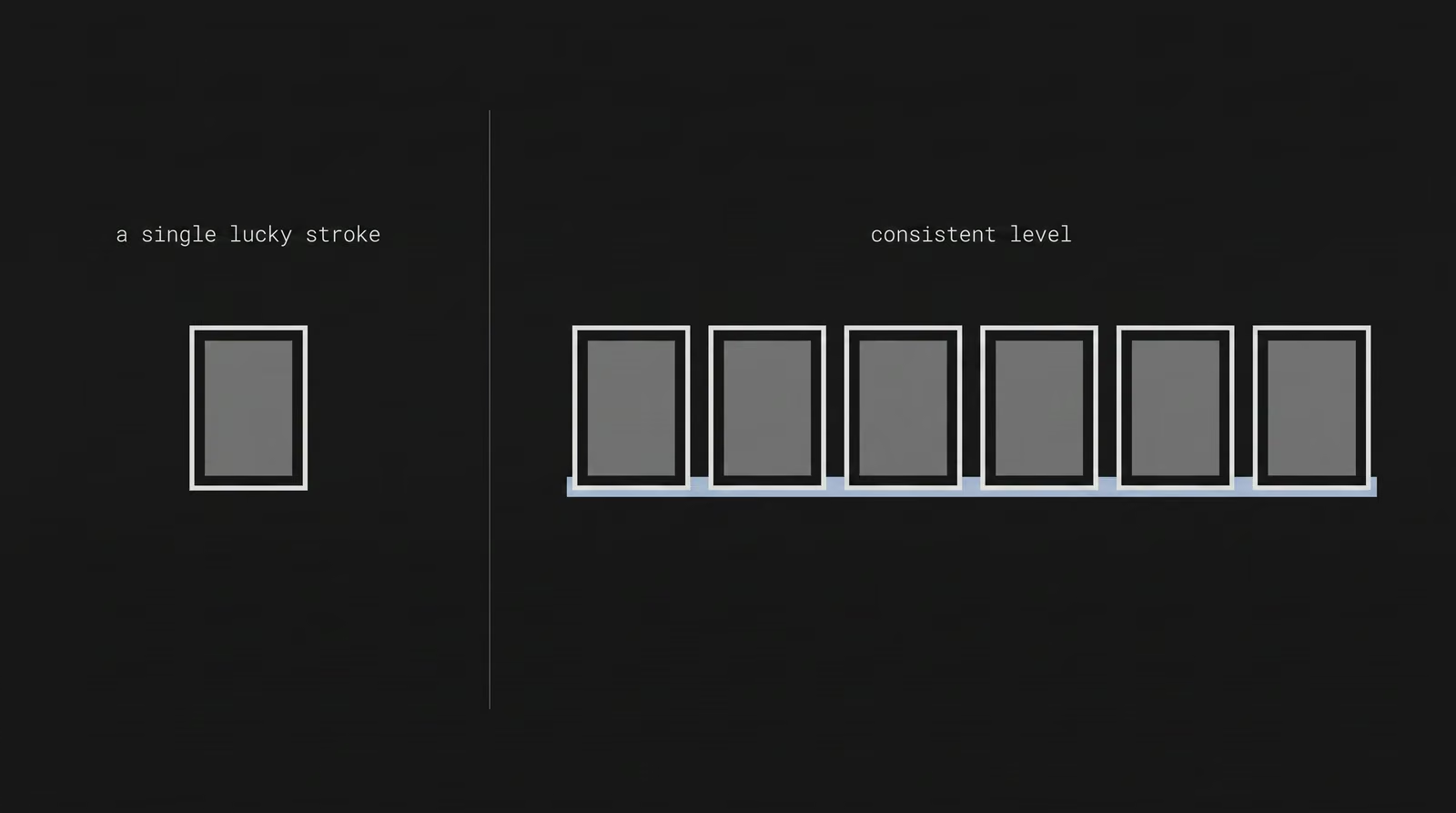
You can tell a studio is good by the consistent level across its work. A single impressive project can be luck; the real signal is seeing the same decision quality and care in every piece of the portfolio. Add to that the clarity of the process: a good studio states clearly, in the first conversation, what it will deliver, when, and within what limits. The industry's big references confirm this: systems like Google Material, IBM Carbon, Airbnb and Shopify Polaris are valuable not because they are “a beautiful piece of work” but because they stay consistent even under hundreds of hands.
Is a portfolio enough when choosing a design studio?
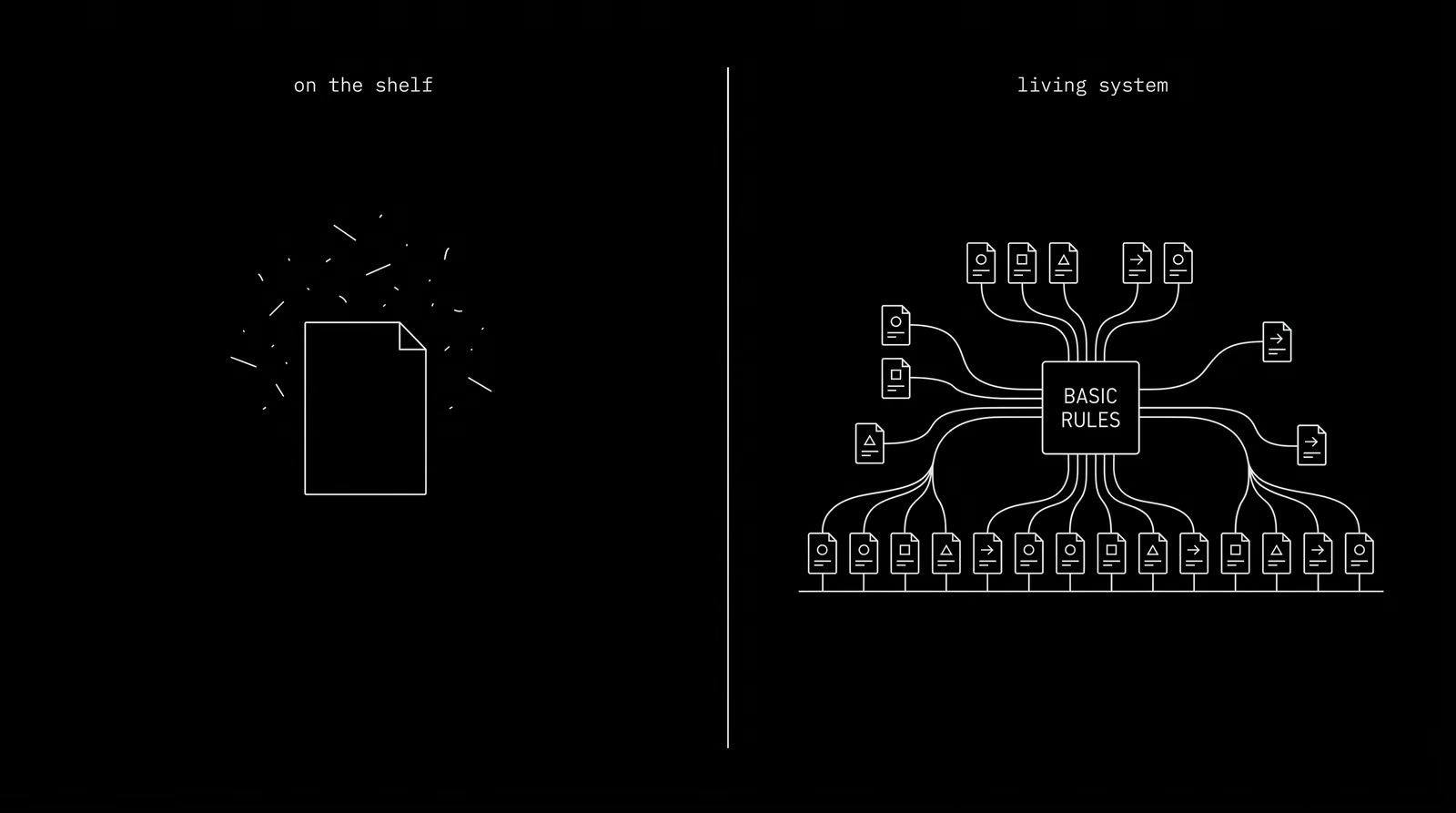
A portfolio is necessary but not sufficient on its own. It shows what was produced, but not how the work was done, how communication went, or whether the work is a system or a one-off delivery. The real risk here is a delivery that looks good but cannot be applied — remember that most brand guidelines (95%) sit on a shelf and only a few (25–30%) are actually enforced. So alongside the portfolio, you should look at the working process and at whether what is delivered is a lasting system the brand can maintain on its own.
Why should a brand's different design needs be handled within a single visual system?
Different needs should be handled in one system because, to the user, the brand is a single whole. A user does not see the logo, the site and the social visual as separate jobs; they take them all as the face of the same brand. Produced with different logics, the brand looks inconsistent; produced together, it looks recognizable and trustworthy. If we recall that a strong signal like color can raise recognition by up to 80% versus monochrome (University of Loyola Maryland), it becomes clear this is only possible through repeating the same color across every layer. The system is what guarantees that wholeness.
How can brand identity, web design and social content be designed together?
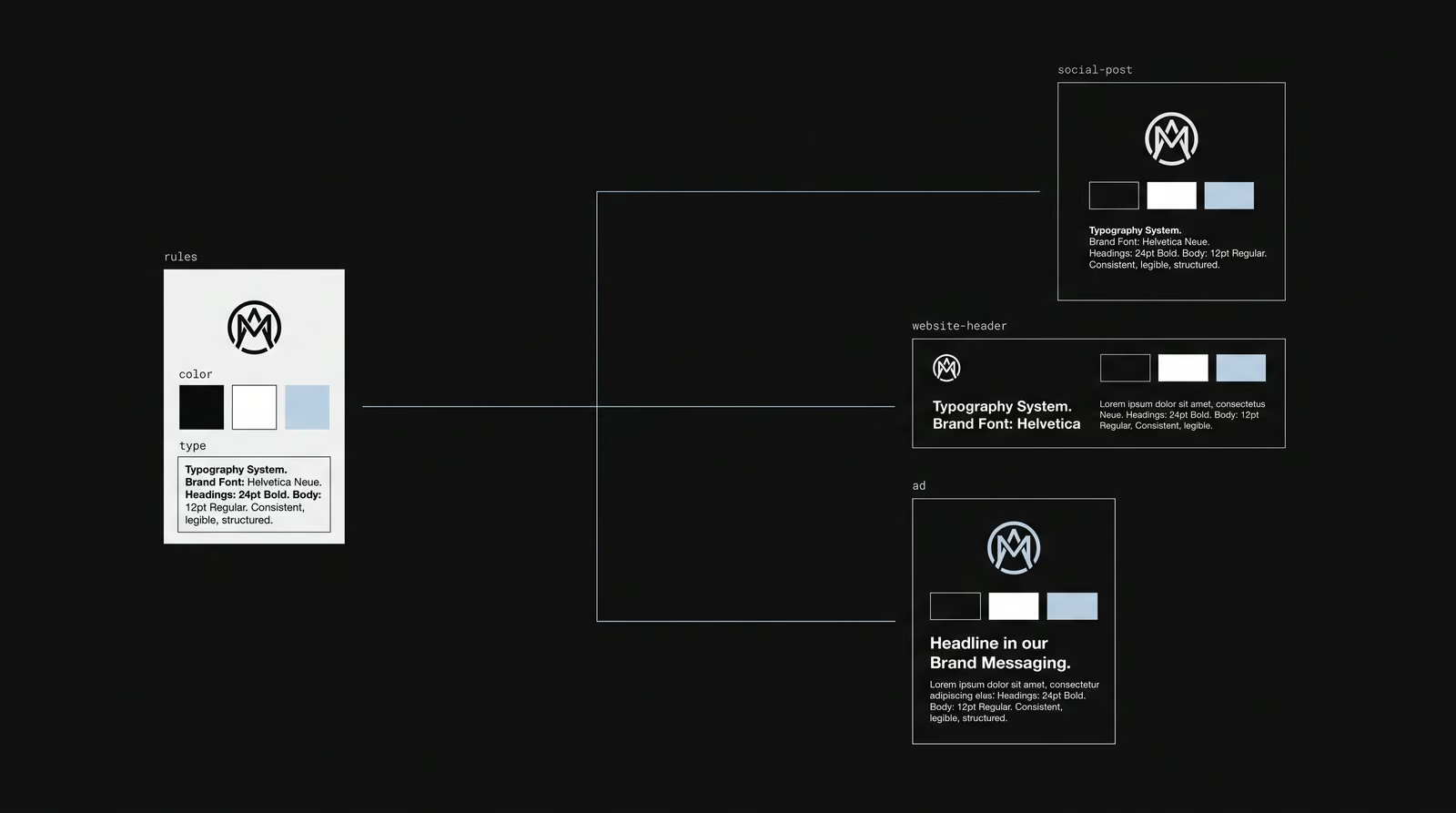
The three are designed together by first defining the shared rules from which they all derive. Color, typography, visual language and tone are fixed once; then brand identity documents those rules, web design carries them to the screen, and social content applies them to daily production. When the sequence and the source are shared, the three layers come out not as separate work but as extensions of the same system. That sharing also brings speed: teams using a design system finish work 34% faster (Superside, 2026), because each new piece is produced from the rules rather than from scratch.
What does a design system contribute to brand growth?
A design system lets a brand speed up as it grows without losing consistency. With a system, a new campaign, product or channel is not designed from scratch but derived from existing rules. This both accelerates production and guarantees that each new part still belongs to the brand. It is no coincidence that in the Lucidpress study 68% of companies tie consistency to 10–20% revenue growth: a system turns growth into compounding rather than scatter. Growth without a system accumulates a scattered, constantly redone visual burden.
What questions should you ask when working with a creative studio?
The right questions should reveal whether what will be delivered is a system or a one-off job. Things worth asking: Am I also given the rules and a usage guide? How will the layers (logo, web, social) connect to each other? Can I keep the brand consistent on my own once you step away? How many revisions and what scope? And most important: is the delivered guideline actually applicable, or a PDF that will sit on a shelf? These questions separate a beautiful delivery from a lasting system.